
Tomorrow marks the start of National Mills Weekend, a weekend for celebrating windmills and watermills across the UK.
While rare now, the essential role which mills played in the processing of flour necessary in order for people to produce bread, our staple food, means that they must once have been plentiful. Certainly the number which have historical connections to Crawley, just a small collection of villages at the time, suggest that would have been the case.
Let’s start with Crawley’s only remaining mill, Ifield Water Mill. While the current building dates to the 19th Century, a watermill has existed on the site since at least the mid-17th Century.
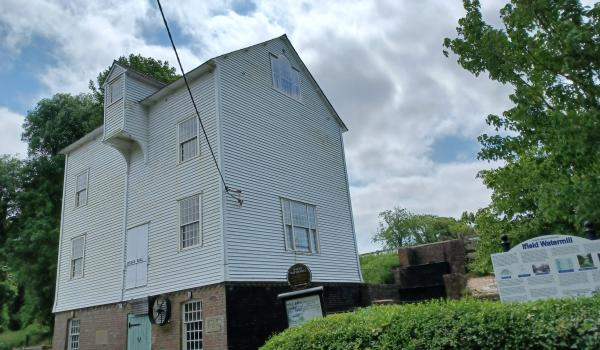
The current good condition of the watermill is ultimately a testament to the commitment of volunteers who have restored and maintained the structure over the years, currently under the umbrella of the Crawley Museum Society.
If you have spare time tomorrow, the Ifield Water Mill will be open from 2pm to 5pm, so please do have a look. More opening days/times can be found here.
Next, we have the Lowfield Health Windmill, of 18th Century construction. While currently located in Charlwood, the windmill has originally served the community Lowfield Health, only being relocated in the 1980s due to the ongoing expansion of the airport. They are open from 2pm to 5pm today and tomorrow, with more days/times available here.

Frederick Henty Collection, courtesy of West Sussex County Council Library Service
Although, those are the only mills still in existence, they aren’t the only mills which once served those living within the boundaries of the current town. With the names of Crawley’s roads drawing so heavily on what came before, it should come as little surprise given the number of ‘mill’ roads in Three Bridges that there was once a mill there also.
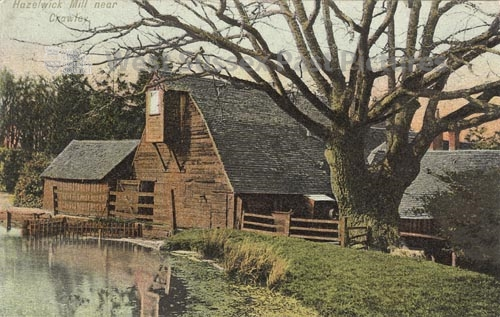
Roger Bastable Collection, courtesy of West Sussex County Council Library Service
Hazelwick Mill was another watermill, ultimately being rendered defunct at the start of the 20th Century. From what I can gather it seems to have been located roughly where the petrol station for Tesco now is and its pond would have stretched much of the way back to Haslett Avenue. It does give pause for thought if the loss of thos large body of water might help to explain the regular flooding issues faced along this stretch of the neighbourhood.
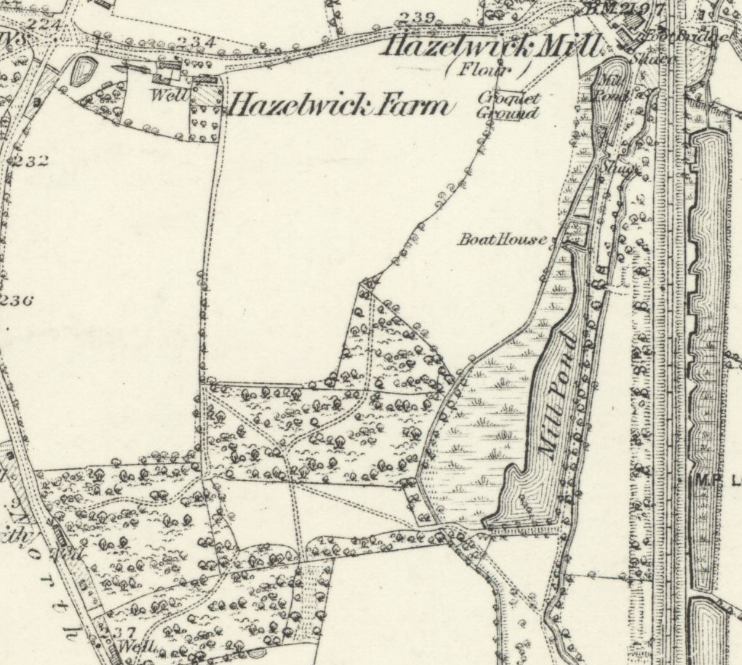
While those are the three mills of which I had prior knowledge, there are also a few others mentioned in the ‘Crawley Encyclopedia’ which people might find interesting. To visit the relvant page go to: https://crawley.cyng.org.uk/CM-Mills.html
Discover more from Peter Lamb for Crawley
Subscribe to get the latest posts sent to your email.
 Peter Lamb for Crawley