
It’s World Theatre Day today, a day first marked in 1961 and which continues to this day as a means of educating decision-makers and the public as to the important role theatre has played in our national life.
Earlier this month, the Labour leader, Keir Starmer, gave a widely-reported speech at the Guildhall School of Music and Drama, setting out the role a Labour Government would see for Arts and Culture.
Arts and Culture may well be seen as a soft area for political interest, compared to more hard-hitting areas of policy like Defence and Health. Even outside of politics, there’s often a dismissiveness at whether art has value at all, we even had an event as part of Crawley WORDfest this year entitled ‘What do we need art for?’
Of course, despite all the dismissivness, art and culture actually has huge economic value to the UK. In 2021, the creative industries generated £109bn for the UK, with plans already in-place to increase that economic footprint by 50% by 2030 and a growth rate far beyond the rest of the UK economy.
Yet, even without the financial value, there is an intrinsic value to both being able to express oneself through creativity and the impact that consuming arts and culture has upon all of us. In the rush to focus on the harder aspects of policy, we all-too-often to dismiss the very things that make life worth living,
Arts and culture in the UK are amongst the many sectors to have suffered terribly over the last 14 years. A Labour Government would instead work to ensure that one of our nation’s greatest assets continues to play a leading global role, from better employment rights for those in the sector and improving access to creative apprenticeships, to tackling ticket touting.
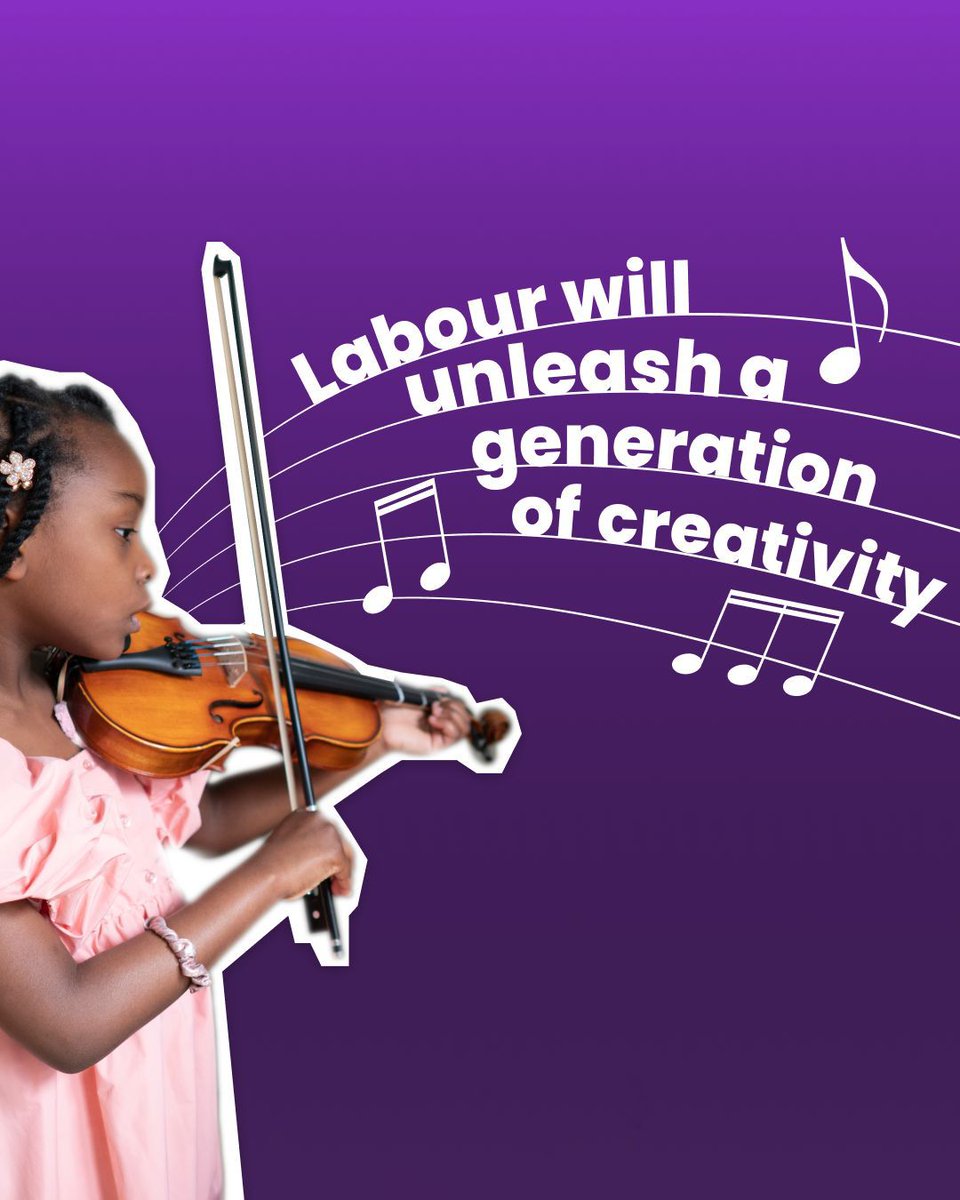
Beyond this, the party has already made it clear how we intend to break down the barriers to opportunity in the world of education and employment, but now adds to this the importance of enabling everyone no matter what their background to have the opportunity to enjoy arts and culture, both in its consumption and by ending the increasing prohibition of state school pupils being able to study the subjects which matter to them as part of gaining a rounded education. In so doing, we have the chance to unleash a generation of creativity, to both the economic and intrinsic benefit of the country.
Discover more from Peter Lamb for Crawley
Subscribe to get the latest posts sent to your email.
 Peter Lamb for Crawley