

In the context of households, the term ‘financial vulnerability’ refers to the ability of those family units to weather financial pressures or shocks. For instance, someone who has had a sufficiently high income over expenditure to build up some savings is less vulnerable than a household whose budget is so tight that they live payday to payday.
Clearly, it’s generally better for a society to try to limit financial vulnerability or at the very least for Governments to understand the level of financial vulnerability within their society and how it’s changing over time. For this purpose, we can draw upon the efforts of Lowell, one of Europe’s largest credit management companies, and Opinium, a leading pollster, who have been producing an index of financial vulnerability in the UK for the last seven years. As this is Debt Awareness Week, it feels a good time to look into this data and what it says about our town.
For anyone who has tracked anything I have written about the financial pressures facing local families, it shouldn’t come as a surprise that Crawley doesn’t perform well on the metric, assessed as having the third highest level of financial vulnerability in the region and consistently performing worse than the UK average on the various components going into the ranking (use and patterns of debt, levels of personal savings, and reliance upon the different forms of social security).
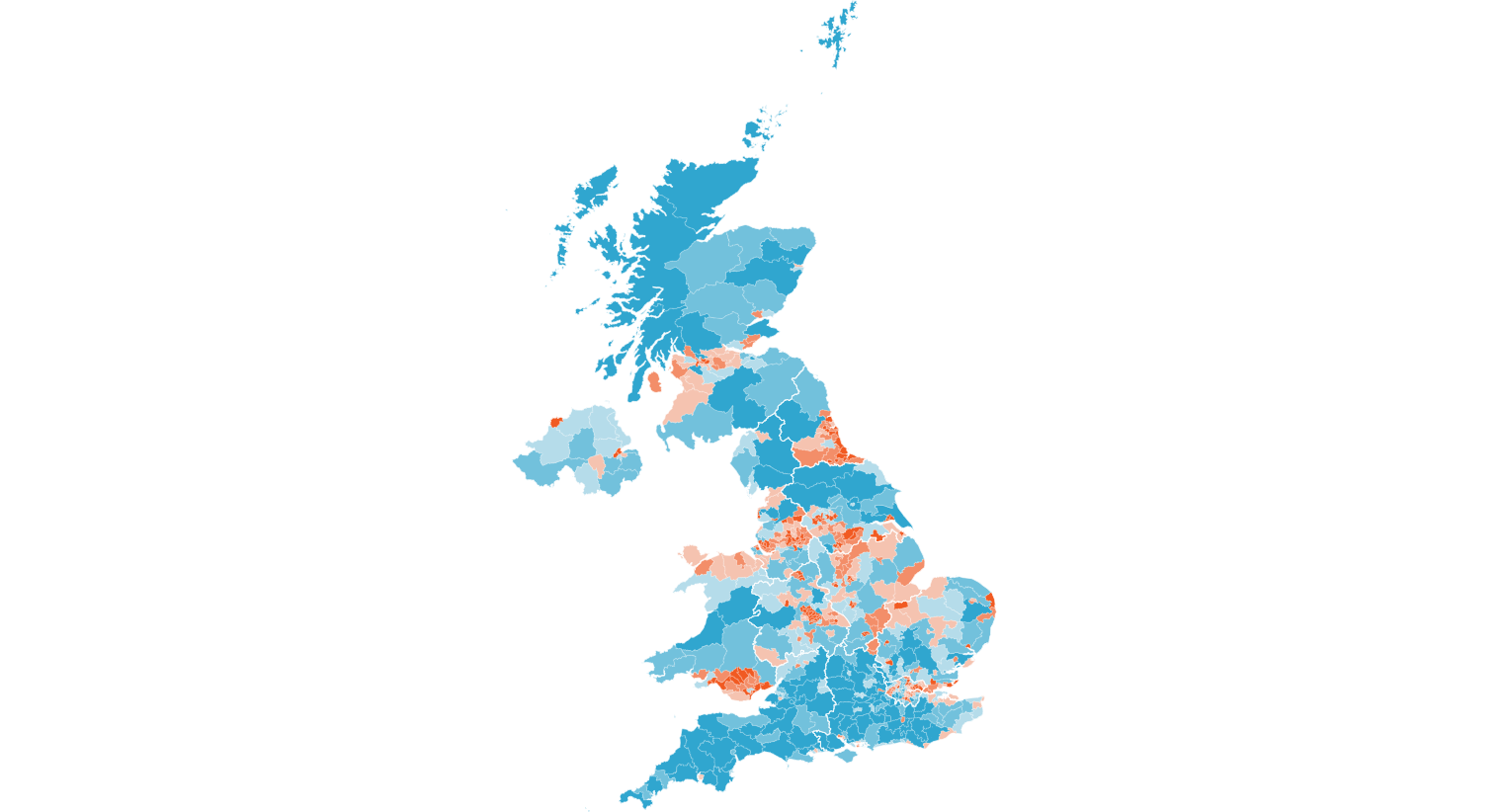
As I have written about on a number of occasions previously, Crawley survives because of its very high levels of employment mean that families tend to always have money coming in, even if local people’s wages aren’t great, and we have some of the highest costs for essentials in the country.
Unfortunately, that means that people are highly vulnerable to any new hit to their income of necessary expenditure. The end result has been a growth of poverty in Crawley beyond anything we have ever seen before, the majority of which being amongst those in-work.
A Labour Government will deliver a New Deal for Working People within its first 100 days, urgently delivering the changes in the nature of work, helping people to gain greater job security and earn more for their labour. After a decade and a half which has seen fire and rehire, and full-time workers reclassified as self-employed, all to the cost of the average UK worker, these changes cannot come soon enough.
Discover more from Peter Lamb for Crawley
Subscribe to get the latest posts sent to your email.
 Peter Lamb for Crawley