
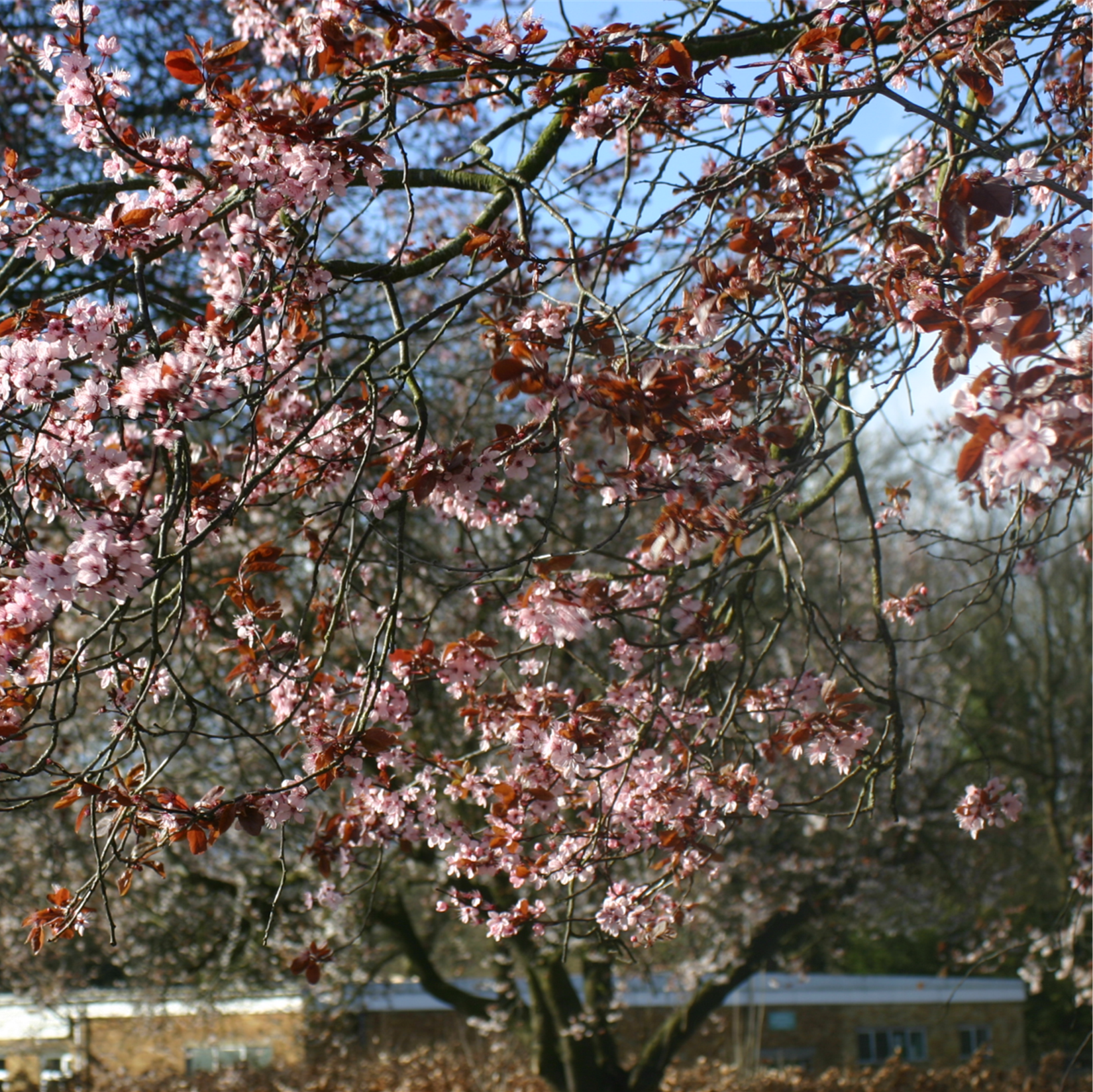
Astronomical spring, determined by when the Earth hits a 23.5° tilt on the rotational axis of its orbit around the Sun, starts today. Of course, our perception of spring is based upon the temperature cycle of where we live and whether it ‘feels’ like spring rather than such precise planetary measurements.
It certainly seems much harder to ‘feel’ the difference between the seasons than when I was younger, with winters being significantly warmer and summers being more rainy and overcast. This shouldn’t come as a huge surprise with rising global temperatures both reducing the fierceness of the cold and, as an island, more rainfall with warmer weather resulting in greater evaporation of seawater carried onto land.
There will, of course, be variations from this at different points, that’s the nature of averages and with weather being a highly complex system any increase in energy input is going to produce increasingly random outcomes. The point is, even in meeting the 2050 net zero target, we’re already well beyond what ‘normal’ weather conditions for the UK look like and they won’t be returning in our lifetimes or that of the next few generations (even without putting more greenhouse gasses into the atmosphere a lot of heat has been absorbed by the sea, amongst other heat sinks, and it will take a long time for that heat to be lost).
Hopefully, the visible signs of Global Warming help to remind people that both climate change is real and that we all need to do what we can to reduce how much our day-to-day activities are making the problem worse.
For the UK as a country, we’re going to have to spend more, not only the vast amounts required to reach our challenging net zero commitments, but on preparing ourselves for increasing flooding and drought–sometimes at the same time, more storm-proofing around our coasts, and designing in ways to make our building suitable for hotter weather conditions without increasing our reliance upon non-renewable sources of power.
None of this is impossible, but as with most problems, starting to get things in place well before they are needed is the trick for both making the greatest use out of them and delivering them at the lowest cost. The difficulty is that it’s hard to make something a priority for spending before the problem reaches a critical point. That’s where we need more courageous behaviour on the part of our decision-makers.
Discover more from Peter Lamb for Crawley
Subscribe to get the latest posts sent to your email.
 Peter Lamb for Crawley